
Dewaxing systems
Eliminar la cera de los aceites mejora la transparencia del aceite comestible a baja temperatura, lo que permite el envasado eficaz del aceite en botellas transparentes. Los sistemas de desparafinado separan las ceras y eliminan las impurezas que contienen cera de forma segura, fiable y eficaz. Las soluciones integrales de desparafinado le ayudan a reducir los costes de refinado, sumar ingresos mediante la recuperación de aceite y aumentar el rendimiento del aceite alimentario refinado.
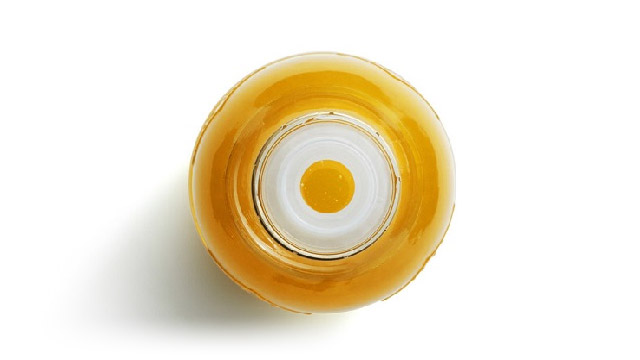
Mejore la claridad y el rendimiento del aceite optimizando sus procesos de desparafinado
- Mayor fiabilidad y eficiencia operativa
- Procesos optimizados de desparafinado y filtrado
- Máximo rendimiento con pérdidas mínimas
- Funcionamiento sencillo con total automatización y control
- Mayor calidad y estabilidad del aceite
La desparafinación es fundamental para mejorar la estabilidad del aceite comestible y evitar la formación de cristales y el enturbiamiento a bajas temperaturas. Para obtener el máximo rendimiento de los aceites crudos de girasol, maíz y semillas de algodón es necesario contar con el sistema adecuado y optimizado para los requisitos de su proceso. Asegúrese de tener en cuenta factores como la calidad del aceite de alimentación, la capacidad, las condiciones del efluente y la calidad deseada del aceite refinado. Para obtener aceites refinados estables que superen las pruebas en frío, puede confiar en los sistemas de desparafinado en húmedo, en seco y combinados de Alfa Laval, de eficacia probada. Sea cual sea su reto de desparafinado, puede confiar en Alfa Laval para obtener soluciones completas y fiables, servicio global, asistencia local y tranquilidad.
Systems for dewaxing process of edible oil
Alfa Laval dewaxing systems effectively remove waxes from crude oils through physical or chemical refining processes. These include cold enzymatic degumming and cold chemical refining processes that combine wet dewaxing methods, such as the Alfa Laval Multi Wax and Combi Wax systems, with dry dewaxing.
Alfa Laval Cold Enzymatic Degumming system
This physical refining process uses two inline centrifugal separators. It begins with enzymatic degumming, which agglomerates gums, followed by wax crystallization at low temperatures (dewaxing/winterization). The first separator removes waxes and precipitated phosphatides, while the second separator performs oil washing to reduce phosphatides further and improve oil quality.
Alfa Laval Multi Wax system
This chemical refining process combines the high-efficiency neutralization refining techniques of the Alfa Laval Multi Mix with subsequent cooling, wax crystallization, cold washing, and wax removal with water. These techniques are similar to those developed by Alfa Laval for palm oil fractionation. Using three inline separators, this system produces well-refined oil with controlled losses, even when processing oils with high free fatty acids.
Alfa Laval Combi Wax system
This chemical refining process combines wet dewaxing using two inline separators with cold neutralization and simultaneous wax crystallization, followed by the removal of wax and soapstock.
How the dewaxing procedure works
The dewaxing of crude oil can be tailored to match feed wax levels and the desired oil quality. Our systems combine wet and steam‑based dry dewaxing to remove wax effectively. By controlling temperature, seeding, and cooling rates, the oil passes cold stability tests (24–72 hours) while maximizing clarity and minimizing product loss.
Wet and dry dewaxing methods for stable oil
In most cases, wet dewaxing alone is sufficient to remove enough wax for the oil to pass the 24-hour cold test, based on average quality sunflower oil with a wax content of about 600 ppm. Wet dewaxing can also process oils with a wax content up to 2000 ppm; however, high wax levels may impact cold test results. Dry dewaxing has its own limitations: feedstock must contain no more than 900 ppm of wax to pass the 24-hour cold test. Many edible oil producers now combine wet dewaxing and dry dewaxing processes in their refining plants for this reason. This approach ensures more effective wax removal and enables oils to pass the more stringent 72-hour cold test.
Efficient dewaxing with filter aid powder and controlled cooling
The dry dewaxing procedure begins with mixing oil with filter aid powder. The mixture is then gradually cooled under controlled conditions to allow wax crystals to form without clogging the filter. The filter aid acts as a seeding agent, providing surfaces for crystal growth. Since phosphatides promote excessive crystal formation, bleaching to remove these compounds is performed prior to dry dewaxing.
Finally, the oil passes through automated pressure leaf filters, which remove the wax and filter aid. A specialized oil cooling technique, combined with PLC-supervised operations, ensures full filter utilization and boosts both efficiency and oil yield.
Filter aid powder is a consumable that cannot be reused, and the required dosage depends on the wax content in the feedstock. The dosing ratio can vary, with filter aid amounts reaching up to 10 times the wax content. Spent filter aid may contain up to 60% oil, making proper dosing critical for process optimization.
Global service and support boost edible oil process performance
More than 130 years of experience. Experts the world over. Service centres in nearly 100 countries. To maximize quality, efficiency and yield of your processes, take advantage of the Alfa Laval global service network with local service centres and partners in worldwide.
No other process system supplier can provide the depth, breadth and range of components, equipment, systems and service. We’re always nearby, caring for your systems and optimizing your processes over the entire life cycle of your edible oil refining plant.

Discover how improving crude oil dewaxing can boost your edible oil yield
Contact us to find out more. Download the Alfa Laval degumming and neutralization solutions brochure.
Principales equipos de procesamiento de aceite comestible utilizados en nuestros sistemas
Webinars for the Edible Oil industry
Our experts share know-how to optimize edible oil refining processes, remove impurities and volatile components for better product quality, safety and yield.