
Recuperación de calor en ciudades sostenibles
There is enough excess energy worldwide to heat all buildings, yet excess heat recovery examples are scarce. The best energy is the one not used, and the next best is the one reused. We can repurpose energy from industries and urban sources like data centers, metro stations, supermarkets, and underground mines. This recovered heat can be used locally, such as in space and tap water heating. Additionally, it can be sold for district heating purposes.
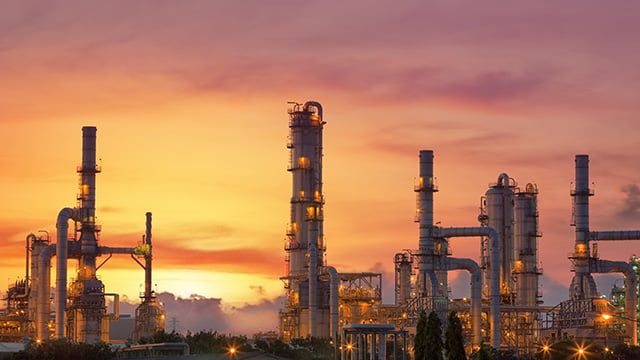
Trend in Industry
To keep the global warming target of 1.5 °C alive, we need to triple the installed capacity of renewable energy and double the rate of global energy efficiency improvements by 2030. Use of the excess heat available worldwide will be essential and a great opportunity to achieve this. Only in EU, the available excess energy is expected to surplus 2000 TWh in 2050 which could cover almost the full heat demand for space and tap water heating (Mathiesen 2023).
The excess heat is generated both from industrial processes and urban sources such as wastewater treatment plants, data centres, hospitals, and the metro. New solutions for heat reuse are being deployed every day. However, location, infrastructure, and demand patterns often cause heat to be lost.
- 22 countries in EU could cover more than 50 % of their current energy demand with excess heat.
- Low temperature excess heat from wastewater treatment plants, 442 TWh/year, and data centres, 221 TWh/year, can be lifted with industrial heat pumps to temperature levels suitable to supply the district heating grid.
- By improving the energy efficiency and preparing buildings for low temperature heat distribution we can reduce heat losses in the district heating system and allow utilization of lower grade excess heat sources. In doing so the Coefficient of Performance (COP) of industrial heat pumps are improved even further.
- 30 % of the electricity in hydrogen production is converted to heat. When planning hydrogen plants, the location should be carefully selected to allow heat recovery while providing cooling to the electrolyser.
- Expansion of water-carried systems such as district energy and heat networks will be a crucial enabler to distribute excess heat.
- Fit for 55 package: cities in EU larger than 45 000 citizens will be required to produce a heating and cooling plan with mapping of the available energy to facilitate sector coupling and deployment of essential energy infrastructure.
- When cooling residential and service buildings with individual chillers, heat is produced as a by-product. This heat should be used for tap water heating or used to provide efficient cooling with an absorption chiller.
Consultant? System integrator?
Are you a consultant? Look here! With expertise from decades of experience in heat exchange, Alfa Laval offers knowledgeable resources for today’s heating and cooling challenges. Discover answers to complex questions on everything from energy efficiency to natural refrigerants, along with helpful tools that make it simpler to find the right technology for your application.
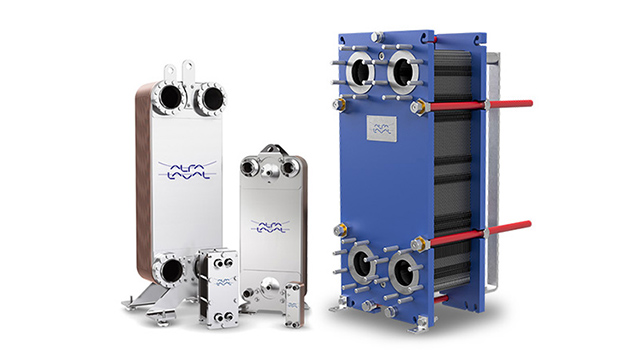
AHRI-performance-certified heat exchangers for confident thermal performance
Certification from the Air-Conditioning, Heating, and Refrigeration Institute (AHRI) is the only global third-party verification of thermal performance, giving you independent assurance that your plate heat exchanger will perform in accordance with the manufacturer’s published ratings. Alfa Laval offers AHRI-certified gasketed plate heat exchangers, brazed plate heat exchangers, and fusion-bonded plate heat exchangers.
Why you should recover excess heat with Alfa Laval
- 99.9% of data centres’ electricity becomes excess heat. Our technology enables harnessing and reusing it for net-zero energy consumption.
- Alfa Laval has a broad range of contact points to connect energy companies to heat networks and district energy networks.
- With millions of heat exchangers in operation worldwide and an extensive R&D program for heat exchangers, we offer the most reliable solution.
- We have reference units in both industrial and urban excess heat applications to provide heat for district heating.
- All our plate heat exchangers have AHRI certification, ensuring superior thermal performance. Don’t take just our word for it.
Productos
Intercambiadores de calor de placas termosoldadas
- El sistema único de sellado por juntas garantiza una operación segura y una eficiencia duradera.
- Su diseño compacto evita la contaminación cruzada y maximiza el aprovechamiento del espacio.
- Ideal para el almacenamiento avanzado de energía sostenible y aplicaciones de alta temperatura.
Intercambiadores de calor de placas con juntas
- Soluciones flexibles que se adaptan al servicio garantizando la máxima eficiencia térmica
- Los diseños compactos ahorran espacio y son fáciles de reparar y mantener
- Soluciones para reducir el ensuciamiento, la tensión y la corrosión para lograr el máximo tiempo de funcionamiento
Intercambiadores de calor de placas soldadas
- Construcción ligera de cobre soldado con un tamaño compacto
- Mayor eficiencia térmica que los intercambiadores de carcasa y tubos comparables
- Opciones flexibles para adaptarse a una variedad de aplicaciones con todos los diferentes tipos de medios/fluidos
- Ideal para refrigerantes naturales y de bajo PCA
Intercambiador de placas soldadas mediante fusión (100% Inox)
- Construcción 100% en acero inoxidable
- Gran resistencia a la corrosión con medios agresivos
- Evita la contaminación por metales en el agua potable y otras aplicaciones higiénicas
- Alta eficiencia térmica y tamaño compacto
Para un futuro sostenible: captura de carbono, hidrógeno verde y almacenamiento de energía
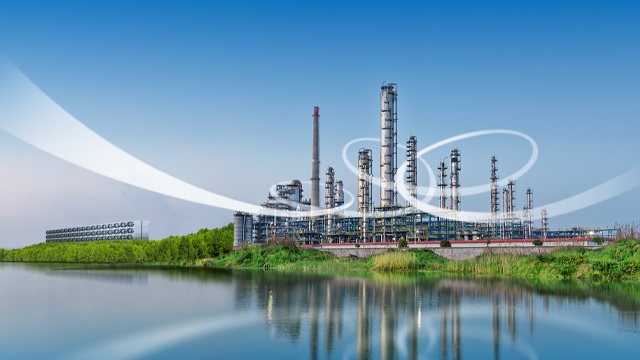
La descarbonización de las ciudades es uno de los desafíos más complejos de nuestro tiempo. Requerirá la transformación completa de nuestro sistema energético global, lo que significa que no existe una solución única o sencilla. Además de trabajar constantemente en la eficiencia energética, reutilizando la energía ya producida —como el aprovechamiento del calor excedente de las industrias y las ciudades para calefacción de confort—, se necesitará una combinación de tecnologías y soluciones, así como el avance de las energías limpias para cumplir con el Acuerdo de París y los retos climáticos. Alfa Laval cuenta con una serie de iniciativas y productos ya instalados en soluciones que serán clave para el futuro. Lea más sobre la captura de carbono, el hidrógeno verde y el almacenamiento térmico aquí.
Un faro de recuperación de calor residual energéticamente eficiente
Recuperar el calor industrial excedente mediante intercambiadores de calor y utilizarlo para calefacción urbana (distritos de calentamiento) es una de las formas más eficaces de mejorar la eficiencia energética a escala global. El Grupo Aurubis ha adoptado este mismo enfoque para mejorar la sostenibilidad en una de sus fundiciones.
Hunting for excess heat
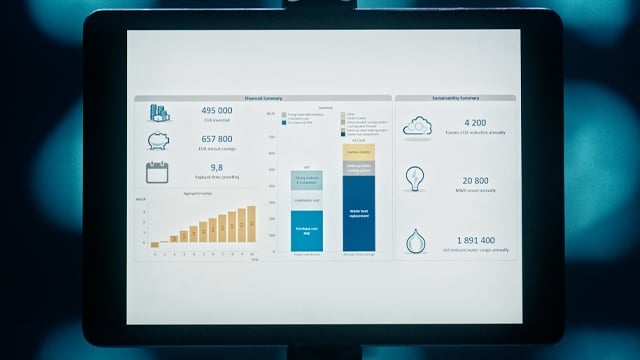
Alfa Laval heat exchangers have been used to recover heat for almost a century. Our energy-efficient solutions support heat reuse in diverse applications, from water and oil-cooled data centres to industrial processes like sulphuric acid plants. Join us in our search for heat-saving opportunities and discover how much you can reduce your energy bill with our solutions.
The Energy Efficiency Movement
The Energy Efficiency Movement, initiated by ABB, aims to create awareness and foster actionable change as a community. At Alfa Laval, we recognize the importance of working together to scale up energy-efficient solutions. That's why we were the first company to join the movement at COP26. With our extensive network, we can connect key industry players and help pave the way to a net-zero future.


Cooled acid turns to district heating
Since 1974 Kemira has, efficient and reliable, been selling energy to the city of Helsingborg.
The best energy is the one not used, and the next best energy is the one reused."
Following a total reconstruction of the cooling system at the Kemira sulphuric acid plant, the temperature of the cooling water has been raised to a level at which it can be used for district heating.
Efficiency that lasts for decades
The condition of your heat exchanger affects safety, product quality, and energy costs. Failures lead to downtime and production losses. But, with regular and proactive maintenance, performance is preserved and operations are kept trouble-free and predictable.
We have the expertise to help you, whether you experience a problem today, wish to prevent future issues, or want to solve the problem yourself with our online troubleshooter.

Digitalization for energy efficiency
Smart cities and digital intelligence could help cities to make progress toward meeting 70 percent of their Sustainable Development Goals. Digital services can already have a significant impact on heating and cooling systems in cities, making them more sustainable.
Enabling remote monitoring and performing dedicated analytics allow more precise and efficient operation, more informed decision-making, and targeted interventions. The development of more sophisticated and efficient heating and cooling systems is only possible through this digital transformation, which can provide reliable and affordable heating and cooling services to urban areas while reducing greenhouse gas emissions.